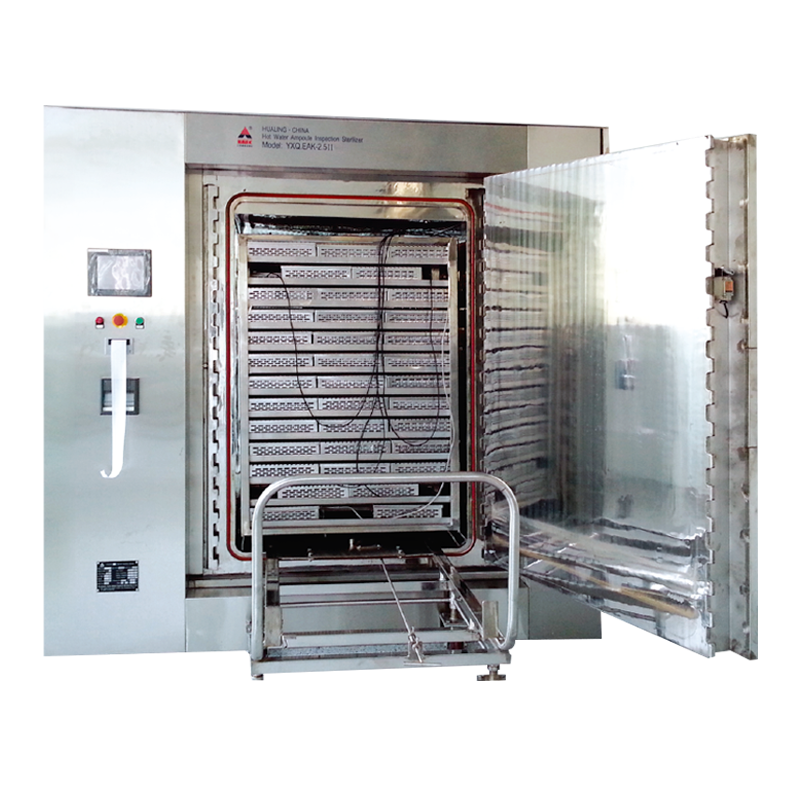
Sterilizátor tradiční čínské medicíny
Cat:Produkty
Sterilizátor provádí operace sterilizace vlhkým teplem na předmětech se sterilizačním médiem na...
Viz Podrobnosti

Horizontal steam sterilizers using pulse vacuum technology represent the gold standard for medical device sterilization and sterile preparation applications, achieving complete steam penetration and moisture removal through 3 to 5 vacuum pulses before and after sterilization while operating at 132 to 134 degrees Celsius for 3 to 10 minutes depending on load configuration. Pulse vacuum sterilizers outperform gravity displacement models by reducing sterilization time by 30 to 50 percent, improving penetration into hollow instruments and wrapped items by 40 to 60 percent, and virtually eliminating moisture retention that compromises sterile preparation integrity. The horizontal steam sterilizer design combined with pulse vacuum technology enables hospitals, surgical centers, and sterile preparation departments to process large instrument loads efficiently while maintaining the highest sterility assurance levels required for patient safety and regulatory compliance.
Horizontal steam sterilizers represent the primary sterilization technology for medical devices and instruments requiring immediate use or short term storage in healthcare facilities. These specialized autoclaves employ saturated steam under pressure to achieve microbial inactivation through protein denaturation, with effectiveness depending on temperature, pressure, exposure time, and steam quality parameters carefully controlled throughout sterilization cycles.
Horizontal steam sterilizer chambers accept loads placed horizontally on shelves or carts, with steam entering from perforated piping systems distributed throughout the chamber creating uniform temperature and pressure throughout the load. The horizontal orientation enables larger load capacity compared to vertical autoclaves, with chamber volumes typically ranging from 100 to 600 liters accommodating diverse surgical instrument sets and medical device preparations.
Essential operational characteristics include:
Chamber size: 100 to 600 liter capacities enabling processing of large instrument loads
Operating temperature: 132 to 134 degrees Celsius for fast cycles or 121 degrees Celsius for extended cycles
Operating pressure: 2.0 to 2.3 bar absolute for fast sterilization cycles
Sterilization time: 3 to 10 minutes depending on load density and composition
Drying time: 10 to 30 minutes for moisture evaporation from instruments and materials
Total cycle time: 20 to 45 minutes including vacuum, sterilization, and drying phases
Steam quality proves critical for horizontal steam sterilizer performance, with specifications requiring dryness fraction exceeding 95 percent and saturated steam containing minimal dissolved solids or moisture droplets that prevent effective contact with microbial populations. Water quality management systems integrated into horizontal steam sterilizer installations filter feedwater and monitor steam purity ensuring optimal sterilization performance.
Steam quality specifications include:
Dryness fraction: minimum 95 percent to ensure primarily vapor rather than liquid content
Superheating: zero to 5 degrees Celsius above saturation temperature
Dissolved solids: less than 1 part per million in generated steam
Oil content: absence of mineral oil and organic compounds preventing residue
Non condensable gases: less than 5 percent of steam volume
Pulse vacuum sterilizers represent advanced horizontal steam sterilizer technology employing repeated vacuum phases before and after sterilization to eliminate air from load materials and improve steam penetration into complex instrument configurations. This technology dramatically improves sterilization efficacy and reduces cycle times compared to gravity displacement sterilizers.
Pulse vacuum sterilizer cycles employ 3 to 5 vacuum pulses at the beginning of sterilization cycles, with each pulse reducing chamber pressure to 0.1 to 0.3 bar followed by steam injection and pressure rise, repeating this sequence to remove trapped air from wrapped items, hollow instruments, and load interstices. This pulsing action creates pressure differentials forcing air from inaccessible spaces enabling steam to contact all surfaces requiring sterilization.
Typical pulse vacuum cycle sequence includes:
Initial vacuum phase: reducing chamber pressure to 0.1 to 0.2 bar absolute
Steam injection: pressurizing chamber with saturated steam to 1.5 to 2.0 bar
Pressure equalization: maintaining uniform pressure throughout load
Repetition: cycling vacuum and steam injection 3 to 5 times
Sterilization exposure: maintaining temperature and pressure for required duration
Post sterilization vacuum: removing residual steam and moisture
Drying phase: applying heat and vacuum to evaporate remaining moisture
Pulse vacuum sterilizers provide substantial advantages for sterile preparation departments including reduced sterilization time of 30 to 50 percent compared to gravity displacement models, improved penetration of 40 to 60 percent into wrapped items and hollow instruments, elimination of moisture retention that compromises sterile item integrity, and superior drying reducing handling time before item distribution.
Performance advantages of pulse vacuum sterilizers include:
Reduced cycle time: 20 to 45 minutes versus 45 to 60 minutes for gravity displacement
Improved penetration: complete steam contact throughout complex instruments
Enhanced drying: minimal moisture retention in wrapped items
Increased throughput: processing more loads per day improving efficiency
Reliability: consistent sterilization performance across diverse load types
Cost effectiveness: reduced energy consumption and labor requirements
Sterile preparation departments employ horizontal steam sterilizers and pulse vacuum sterilizers as core equipment processing surgical instruments, medical devices, and supplies requiring sterilization prior to use in patient care. Understanding sterile preparation requirements enables proper equipment selection and effective sterilization program implementation.
Sterile preparation departments process diverse items including surgical instruments such as forceps and scissors, powered surgical devices such as drills and saws, wrapped instrument sets, solutions and medications in compatible containers, and medical supplies such as bandages and dressings requiring sterilization before surgical procedures or therapeutic applications.
Common items requiring sterilization in sterile preparation departments include:
Surgical instruments: basic instruments, specialty instruments, and complete surgical sets
Powered instruments: orthopedic drills, saws, and surgical power tools
Wrapped items: textiles, rubber tubing, and composite material preparations
Containers: solutions, medications, and liquid preparations in compatible vessels
Medical supplies: dressings, bandages, and supportive materials
Implantable devices: temporary and permanent implant materials
Sterile preparation departments must configure loads considering steam penetration requirements, with wrapped instrument sets typically requiring 132 to 134 degrees Celsius for 3 to 4 minutes of exposure, while unwrapped items may require 121 degrees Celsius for 15 to 20 minutes enabling complete sterilization of dense material loads. Proper load configuration maximizes sterilizer capacity while ensuring adequate steam exposure to all items.
Load configuration guidelines for sterile preparation include:
Density limits: loads not exceeding 15 to 20 kilograms per cubic meter for wrapped items
Spacing: minimum 5 to 7 centimeters between wrapped packs enabling steam circulation
Orientation: packs placed with smooth surfaces exposed and edges accessible to steam
Placement: smaller items centrally located with larger items positioned at periphery
Documentation: load manifests recording all items sterilized for tracking purposes
Chemical indicators: integration into all loads for process verification
Sterile preparation departments maintain rigorous quality assurance programs for horizontal steam sterilizer and pulse vacuum sterilizer operation including daily biological indicator testing with Geobacillus stearothermophilus spores achieving greater than 6 log reductions, weekly temperature and pressure verification, and monthly performance validation ensuring consistent sterilization efficacy and regulatory compliance.
Quality assurance requirements for sterile preparation sterilizers include:
Biological indicators: daily testing with 10 to 6 spore populations documenting sterilization efficacy
Chemical indicators: color change confirmation on all sterilized items
Temperature monitoring: daily verification of autoclave temperature accuracy
Pressure testing: monthly validation of chamber pressure responses
Vacuum testing: periodic verification of vacuum system functionality
Load testing: performance validation with representative sterile preparation loads
Healthcare facilities selecting sterilization equipment must evaluate multiple horizontal steam sterilizer configurations considering sterile preparation requirements, processing volumes, space constraints, and budget parameters. Understanding performance differences enables informed equipment selection decisions.
| Sterilizer Type | Chamber Volume | Cycle Time | Sterilization Temperature | Penetration Capability | Drying Quality | Capital Cost |
|---|---|---|---|---|---|---|
| Gravity Displacement | 50 to 300 liters | 45 to 60 minutes | 121 to 132 degrees Celsius | Moderate | Fair | Low to Moderate |
| Pulse Vacuum Sterilizer | 100 to 600 liters | 20 to 45 minutes | 132 to 134 degrees Celsius | Excellent | Excellent | Moderate to High |
| High Speed Steam Sterilizer | 75 to 200 liters | 12 to 20 minutes | 132 to 134 degrees Celsius | Very Good | Good | Moderate |
| Compact Sterilizer | 25 to 50 liters | 30 to 45 minutes | 121 to 132 degrees Celsius | Good | Fair | Low |
Proper installation of horizontal steam sterilizers and pulse vacuum sterilizers requires carefully planned infrastructure including steam generation systems, water treatment, vacuum pumps, electrical power, and facility design elements supporting optimal performance and regulatory compliance for sterile preparation departments.
Horizontal steam sterilizers require dedicated steam generation capacity providing saturated steam at 2.0 to 2.3 bar pressure continuously during sterilization cycles, with steam quality meeting specifications of 95 percent or greater dryness fraction through effective steam trap design and condensate management systems. Inadequate steam supply capacity limits sterilizer utilization and extends cycle times compromising sterile preparation efficiency.
Steam supply specifications for horizontal steam sterilizers include:
Boiler capacity: sufficient to generate required steam volume continuously during cycles
Supply pressure: 3.0 to 4.0 bar at sterilizer inlet for 2.0 to 2.3 bar chamber pressure
Line sizing: adequate pipe diameter minimizing pressure drop
Condensate removal: steam traps and drainage systems preventing water accumulation
Superheat prevention: insulation and drainage maintaining saturated steam conditions
Quality monitoring: steam purity testing and filtration ensuring specifications
Pulse vacuum sterilizers require robust vacuum pump systems capable of achieving 0.1 to 0.3 bar chamber pressure within 30 to 60 seconds supporting pulse vacuum cycle requirements and post sterilization drying phases essential for sterile preparation item quality. Undersized vacuum systems extend cycle times and reduce sterilization efficacy.
Vacuum system specifications include:
Pump type: rotary vane or rotary screw pumps rated for medical sterilizer applications
Capacity: 20 to 100 cubic meters per hour depending on chamber volume
Ultimate vacuum: less than 0.05 bar absolute pressure capability
Oil mist filters: preventing contamination of chamber and steam systems
Check valves: preventing backflow and maintaining vacuum integrity
Maintenance: regular oil changes and filter replacement ensuring reliability
Horizontal steam sterilizers and pulse vacuum sterilizers require three phase electrical power of 400 to 500 volts at 32 to 63 amperes capacity, dedicated circuits preventing nuisance trips from other facility loads, and uninterruptible power supply systems protecting against brief power interruptions compromising sterilization cycles. Adequate facility infrastructure ensures reliable sterilizer operation in sterile preparation departments.
Electrical and facility requirements include:
Electrical supply: three phase 400 to 500 volt service at adequate amperage
Dedicated circuits: preventing voltage fluctuation from other equipment
Grounding: proper electrical grounding preventing equipment damage
Uninterruptible power: backup systems maintaining operation during brief outages
Environmental controls: facility temperature maintenance between 15 and 30 degrees Celsius
Drainage: adequately sized sinks and floor drains for water discharge
Effective maintenance programs for horizontal steam sterilizers and pulse vacuum sterilizers extend equipment lifespan, ensure consistent performance, and prevent unexpected downtime disrupting sterile preparation department operations. Understanding common failure modes enables rapid troubleshooting and corrective action.
Preventive maintenance for horizontal steam sterilizers and pulse vacuum sterilizers should follow manufacturer recommendations including daily inspection and cleaning, weekly performance testing, monthly safety valve verification, and annual comprehensive inspections with replacement of filters and seals ensuring optimal performance and regulatory compliance.
Maintenance schedule for sterile preparation sterilizers includes:
Daily tasks: visual inspection, drain valve purging, temperature verification
Weekly tasks: biological indicator testing, chemical indicator review, condensate drain cleaning
Monthly tasks: temperature calibration, pressure gauge verification, safety valve testing
Quarterly tasks: vacuum system inspection, door gasket examination, electrical connections verification
Annual tasks: internal chamber inspection, heat exchanger cleaning, filter replacement
Triennial tasks: comprehensive factory service and calibration
Common horizontal steam sterilizer and pulse vacuum sterilizer problems include insufficient steam penetration suggesting inadequate vacuum function or steam supply limitations, moisture retention in wrapped items indicating drying phase issues or excessive load density, and cycle failures from pressure or temperature fluctuations requiring immediate investigation and corrective action.
Troubleshooting guidelines for sterile preparation sterilizers include:
Poor penetration: verify vacuum system function, check steam supply pressure, reduce load density
Moisture retention: extend drying time, reduce load size, verify heat exchanger operation
Temperature fluctuation: calibrate temperature sensors, check heating elements, inspect door seals
Vacuum failures: inspect pump operation, clean intake filters, verify check valves
Pressure errors: calibrate pressure sensors, inspect regulator function, check boiler pressure
Door seal leaks: clean door seal surfaces, apply lubricant, replace worn seals
Horizontal steam sterilizers and pulse vacuum sterilizers used in sterile preparation departments must comply with multiple regulatory standards and quality requirements ensuring patient safety and reliable sterilization performance. Understanding regulatory requirements guides equipment selection and operational procedures.
Horizontal steam sterilizers must comply with ISO 17665 standards specifying sterilization validation requirements, ISO 11135 standards defining validation protocols for steam sterilization processes, and country specific regulations including FDA requirements in the United States and European CE marking requirements. Compliance documentation demonstrates sterilizer suitability for sterile preparation applications.
Key standards for horizontal steam sterilizers include:
ISO 17665: Requirements for development, validation, and routine control of sterilization processes
ISO 11135: Sterilization of health care products using steam sterilization processes
FDA regulations: 21 CFR Part 820 quality system regulations for medical device manufacturers
European standards: EN 285 standards specifying industrial autoclaves design and operation
National standards: country specific regulations for medical device sterilization
Sterile preparation departments must establish sterilization validation programs for pulse vacuum sterilizers documenting biological indicator performance, temperature and pressure mapping throughout chamber, and material compatibility ensuring all items achieve at least 6 log microbial reduction confirming adequate sterilization.
Validation components for horizontal steam sterilizers include:
Installation qualification: documenting sterilizer installation conformance to specifications
Operational qualification: verifying temperature, pressure, and vacuum performance
Performance qualification: biological indicator testing and load validation
Biological indicators: using 10 to 6 Geobacillus stearothermophilus spore populations
Temperature mapping: documenting performance throughout chamber volume
Routine monitoring: daily, weekly, and monthly verification of sterilization efficacy
Healthcare facilities and sterile preparation departments must carefully evaluate horizontal steam sterilizer and pulse vacuum sterilizer options considering processing volume requirements, available space, budget constraints, and long term operational costs determining optimal equipment selection decisions.
Selection of horizontal steam sterilizers or pulse vacuum sterilizers should consider sterile preparation processing volume of 50 to 200 loads daily, required cycle time of 20 to 45 minutes for pulse vacuum or 45 to 60 minutes for gravity displacement models, available facility space of 2 to 4 cubic meters for equipment installation, and budget allocation of 30000 to 100000 dollars depending on sterilizer type and chamber volume.
Selection considerations for horizontal steam sterilizers include:
Daily load volume: determining minimum chamber capacity required
Item types: ensuring sterilizer capability to process required surgical instruments and devices
Cycle time: evaluating impact on sterile preparation department throughput
Space availability: assessing facility dimensions for equipment placement
Infrastructure: evaluating steam, water, electrical, and vacuum system requirements
Maintenance capacity: determining in house maintenance capability or service contracts
Horizontal steam sterilizers and pulse vacuum sterilizers represent significant capital investments with initial equipment costs of 30000 to 100000 dollars plus installation expenses of 5000 to 20000 dollars, but generating returns through improved sterile preparation efficiency, reduced cycle times, and increased throughput justifying investments within 3 to 5 year periods through operational savings.
Cost factors for sterilization equipment include:
Equipment cost: 30000 to 100000 dollars depending on capacity and features
Installation: 5000 to 20000 dollars for infrastructure and setup
Annual maintenance: 3000 to 8000 dollars for service contracts and supplies
Utilities: 2000 to 5000 dollars annually for steam, electricity, and water
Supplies: 1000 to 3000 dollars yearly for biological indicators and consumables
Training: 1000 to 2000 dollars for staff education and certification
Evolving sterilization technology continues advancing horizontal steam sterilizer and pulse vacuum sterilizer capabilities enhancing sterile preparation department efficiency, safety, and performance. Understanding emerging technologies enables forward thinking equipment evaluation and procurement decisions.
Modern horizontal steam sterilizers increasingly incorporate real time monitoring systems capturing temperature, pressure, and vacuum data throughout cycles with wireless transmission to facility management systems enabling remote performance verification, predictive maintenance, and comprehensive documentation supporting regulatory compliance and quality assurance programs.
Advanced features for horizontal steam sterilizers include:
Data logging: continuous recording of cycle parameters to facility networks
Remote monitoring: real time alerts for performance deviations or equipment faults
Predictive maintenance: analysis algorithms identifying upcoming maintenance needs
Electronic documentation: automated reporting reducing manual record keeping
Integration: connection with facility management systems for comprehensive monitoring
Next generation horizontal steam sterilizers and pulse vacuum sterilizers incorporate energy efficiency improvements reducing steam and electrical consumption by 10 to 20 percent, water recycling systems minimizing utility costs, and faster cycle times improving sterile preparation department throughput while reducing environmental impact.
Sustainability improvements for sterilization equipment include:
Energy efficiency: improved insulation and heating system designs reducing consumption
Water recycling: condensate recapture reducing utility requirements
Faster cycles: reduced cycle times decreasing total energy utilization
Smart controls: optimization algorithms maximizing efficiency parameters
Material compatibility: expanded material processing capabilities with shorter cycles
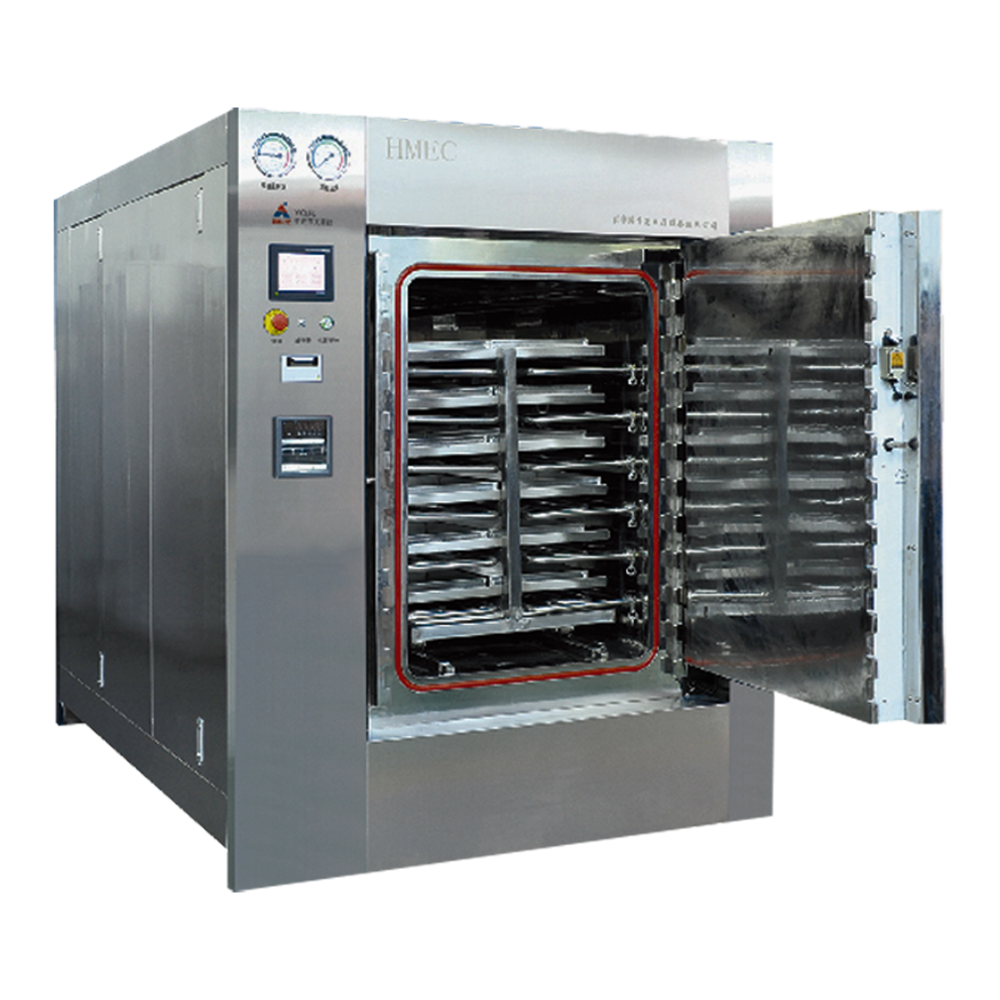
Sterilizátor provádí operace sterilizace vlhkým teplem na předmětech se sterilizačním médiem na...
Viz Podrobnosti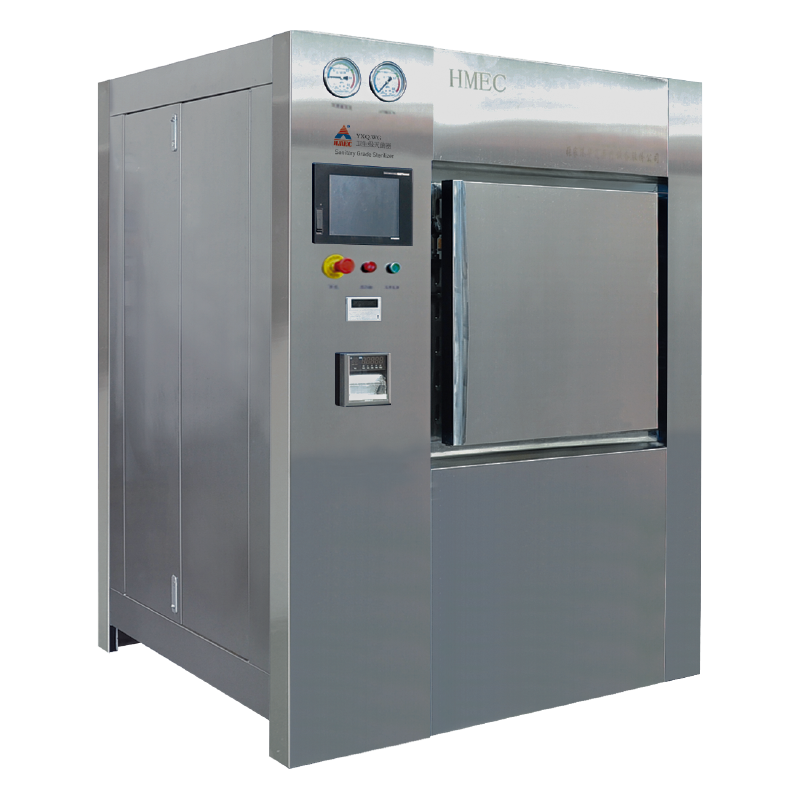
Sterilizátor provádí sterilizaci vlhkým teplem na předmětech s nasycenou čistou párou jako steril...
Viz Podrobnosti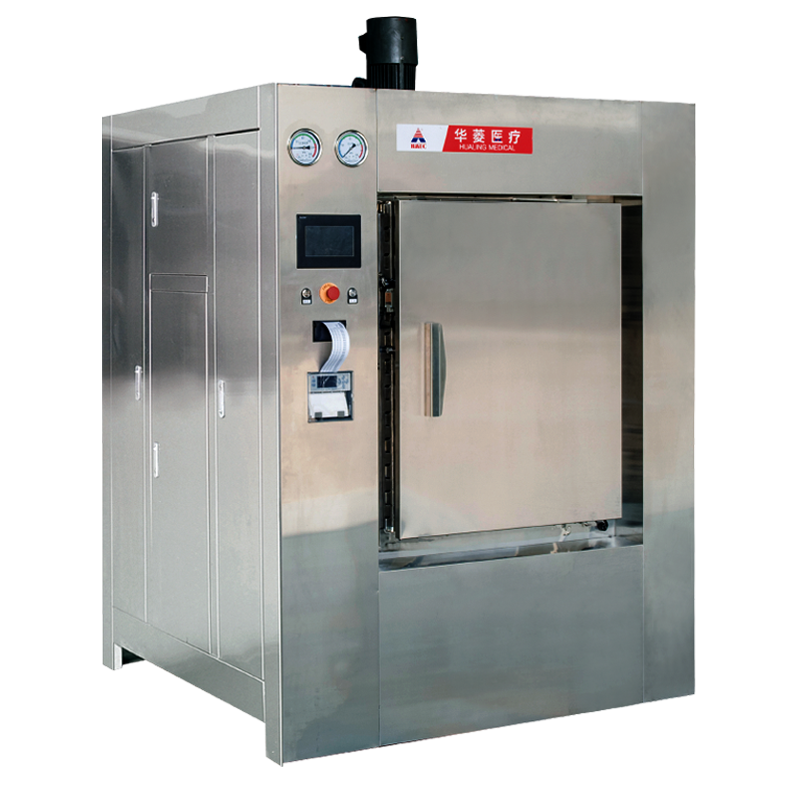
Sterilizátor provádí sterilizaci pomocí směšovacího tlaku vzduchu a páry. Kromě toho může být sm...
Viz Podrobnosti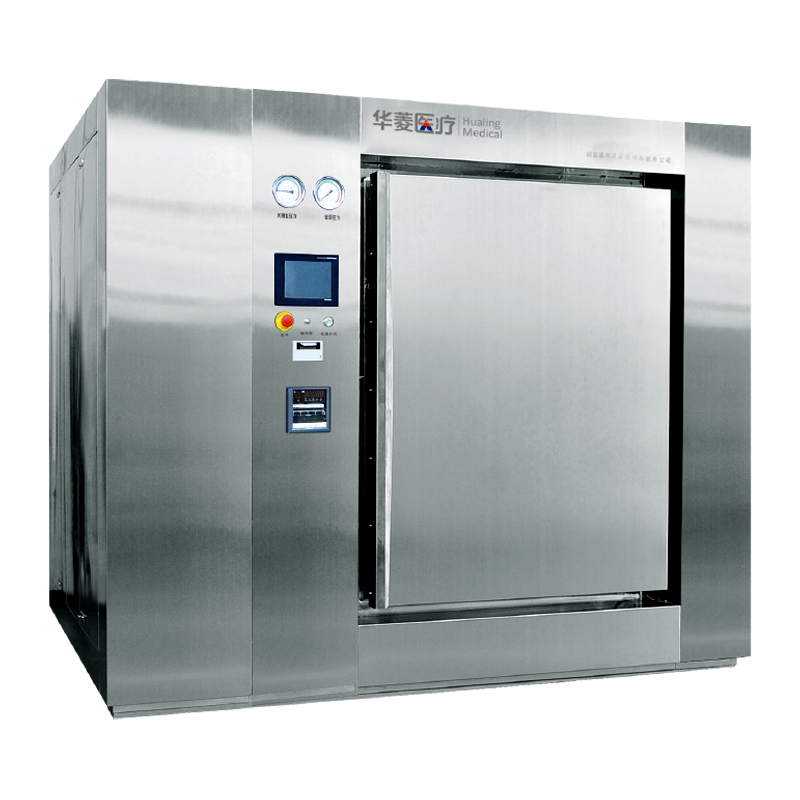
Typ vodní lázně: Sterilizovaná léčiva se zahřívají postřikem vodou za použití přehřáté vody...
Viz Podrobnosti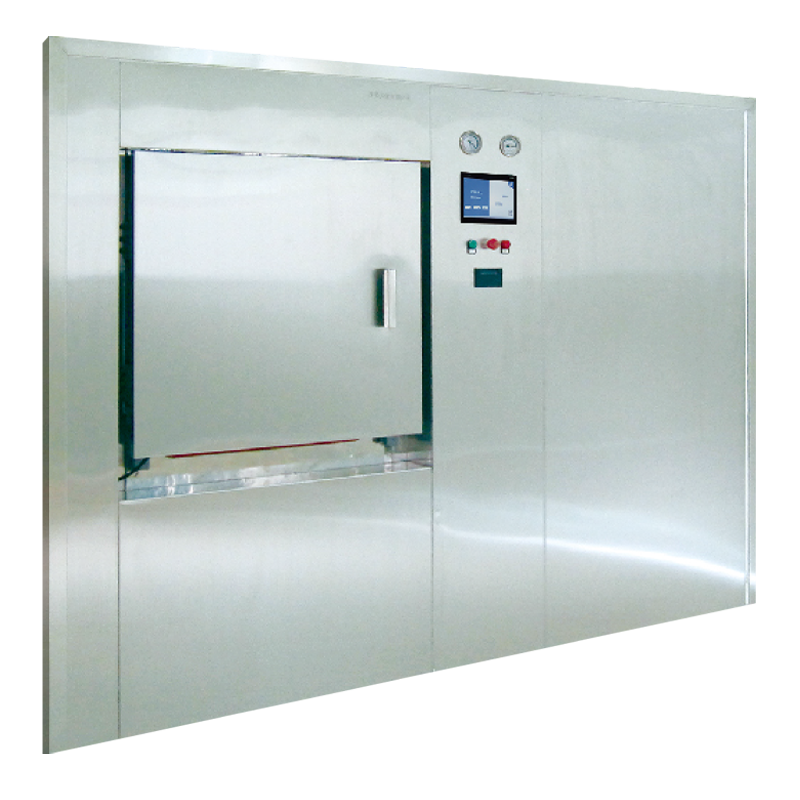
Sterilizátor provádí sterilizaci vlhkým teplem na předmětech s nasycenou čistou párou jako steril...
Viz Podrobnosti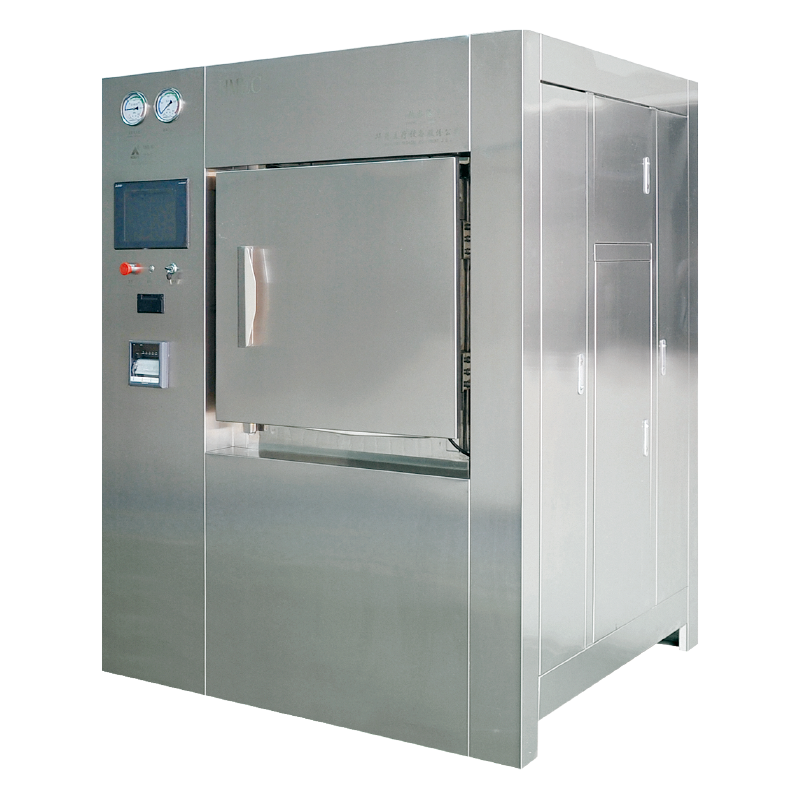
Sterilizátor má odstranit vliv studeného vzduchu na teplotu pomocí pulzního vakuového čerpání s n...
Viz Podrobnosti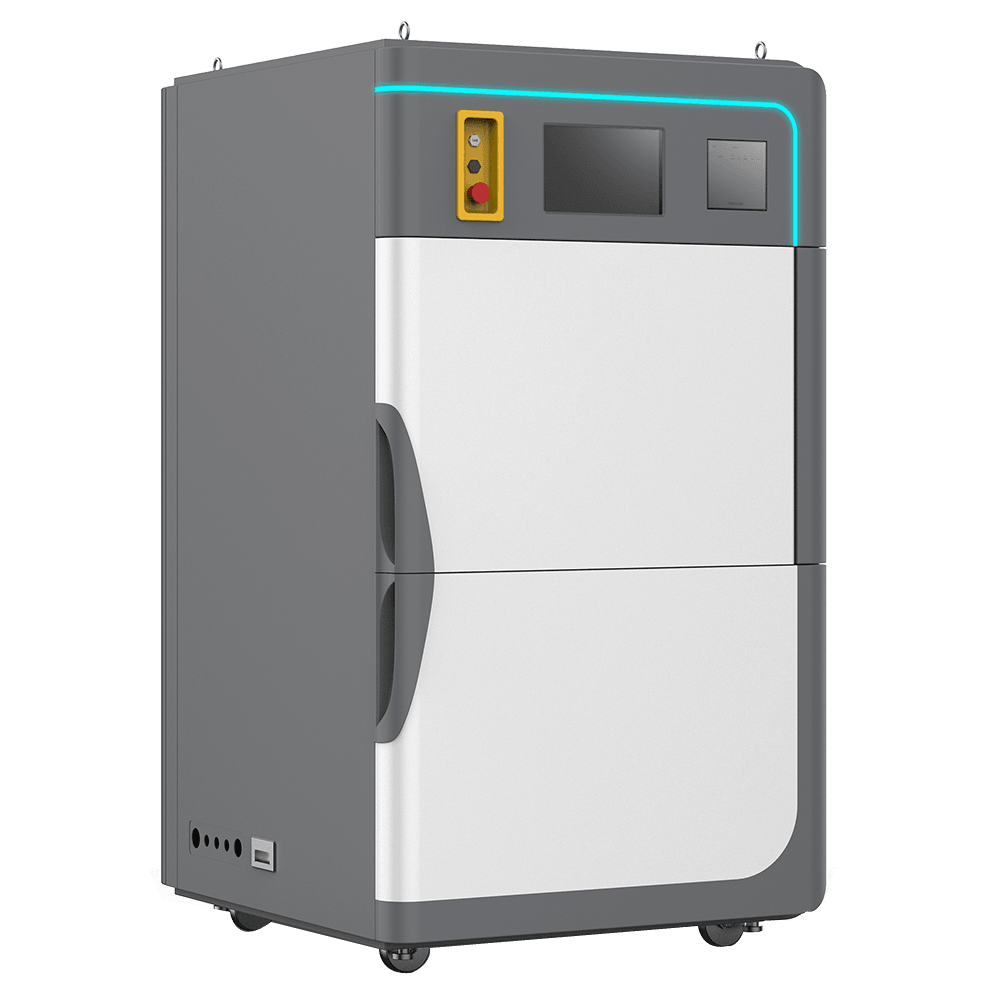
Díky rychlému pronikání směsného plynu nízkoteplotní (60℃ nebo 78℃) páry a formaldehydu ve vakuu ...
Viz PodrobnostiÚvod do sanitárního sterilizátoru: definice a význam v moderní sterilizaci Definice a základní koncept sterilizátoru sanitární kvality......
ČTĚTE VÍCEÚvod V dnešním uspěchaném světě je prvořadé zajištění bezpečnosti a sterility produktů a materiálů používaných ve zdravotnictví, farma......
ČTĚTE VÍCEProč každý lék vyžaduje sterilní přípravný sterilizátor? V moderní medicíně a farmacii je zásadní aseptické zpracování. Ať už jde o la......
ČTĚTE VÍCE +(86) 18018151178
[email protected]
365 Nansha Sanjiali Road, město Jingang, město Zhangjiagang, Čína
+(86) 18018151178
[email protected]
365 Nansha Sanjiali Road, město Jingang, město Zhangjiagang, Čína
 Informace uvedené na této webové stránce jsou určeny k použití pouze v zemích a jurisdikcích mimo Čínskou lidovou republiku.